
We tend to think about interior design in visual terms. Is the room beautiful? Does the furniture work together? Does everything feel finished?
But our surroundings are constantly giving our brains information. Light, clutter, furniture placement, objects and natural materials can influence how distracted, alert, comfortable or relaxed we feel.
And there is real research behind it.
Your brain is always reading the room
Even when you aren’t consciously paying attention to your surroundings, your brain is processing them.
Research on visual clutter suggests that competing objects in our field of vision demand attention and can make it harder to focus. That doesn’t mean our homes need to be empty or minimalist. A room filled with art, books and meaningful objects can feel incredibly comforting.
The difference is often visual richness versus visual chaos.
Good design creates hierarchy. Your eye has somewhere to land, areas of interest and areas where it can rest. This is why designers care so much about scale, balance and negative space.
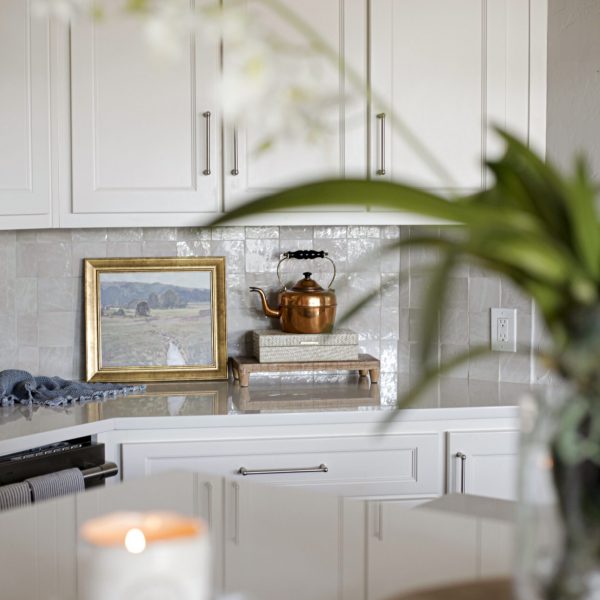
And sometimes good design is simply removing tiny points of friction—the pile that never has a home, the furniture you constantly maneuver around, or the everyday items without proper storage.
Lighting affects more than the room
Lighting may be one of the clearest places where interior design and human biology overlap.
Our bodies use light to help regulate circadian rhythms, which influence when we feel alert and when we become sleepy. Daytime light supports those natural rhythms, while bright light at night can interfere with the signals preparing our bodies for sleep.
It’s one reason a house illuminated entirely by bright recessed lights at 9:00 p.m. feels so different from one lit with table lamps, sconces and warm pools of light.
Designers call it layered lighting.
Your body might simply call it evening.
Why nature feels good indoors
There is also growing research around biophilic design—incorporating elements of nature into our built environments.
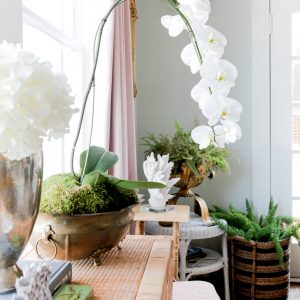
Plants are part of it, but so are natural light, outdoor views, wood, stone, organic shapes and other materials that connect an interior to the natural world.
Research into exposure to plants and natural materials has found promising connections to relaxation and well-being.
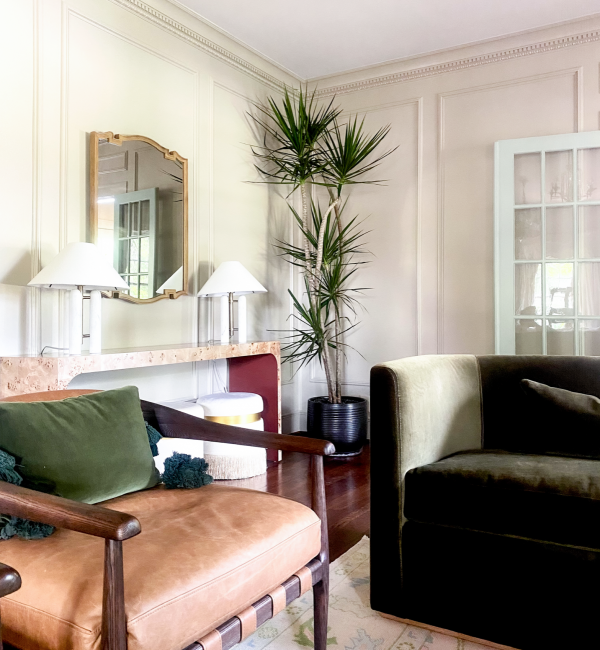
Perhaps that’s part of why rooms layered with wood, linen, stone, greenery and other natural elements often feel so inviting.
It’s not about having less
None of this means a calming home needs to be beige, minimal or nearly empty.
The goal isn’t necessarily less. It’s intentionality.
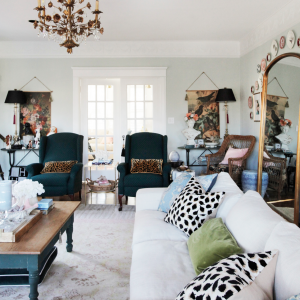
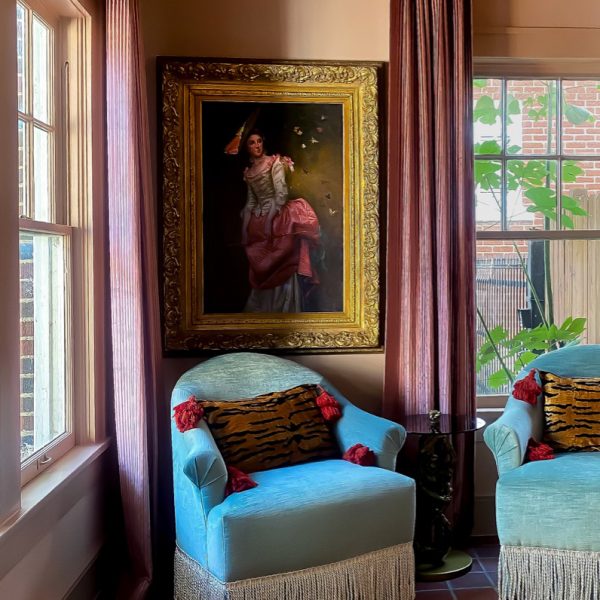
A collected, colorful home can feel every bit as comfortable as a minimalist one when the room has visual organization, intuitive pathways and thoughtful places for the things we actually use.
Maybe that gives us another way to think about function in interior design.
Instead of only asking, Does this room work? we can also ask:
How does this room feel?
Does your kitchen make daily routines easier? Does your living room encourage people to gather? Does your office help you concentrate? Does your bedroom allow your mind to quiet down?
A beautiful room can’t eliminate stress or fix poor sleep. But our homes are environments we interact with for hours every day.
The way a space looks is only part of the story. How it functions, how it feels, what it asks us to notice—and what it allows us to ignore—may matter just as much.
Maybe beauty is simply one part of creating a home that feels good to live in.