
Historic Home Renovation Tips for Fort Worth Homeowners
Renovating an older home in Fort Worth is a little different from renovating a newer build. Homes in neighborhoods like Ryan Place, Fairmount, Mistletoe Heights, Berkeley Place, Colonial, and Arlington Heights often come with incredible character—but also quirky floor plans, aging systems, original materials, and architectural details worth preserving.
At Amy Horany Interiors, we love working with older Fort Worth homes and finding the balance between preserving what makes a home special and updating it for the way people actually live today.
Here are a few things to consider before starting your renovation.
1. Don’t Remove the Character Just to Make It “New”
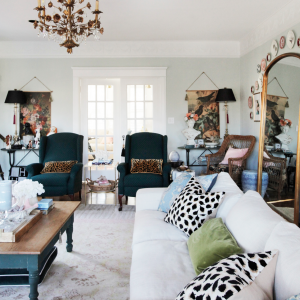
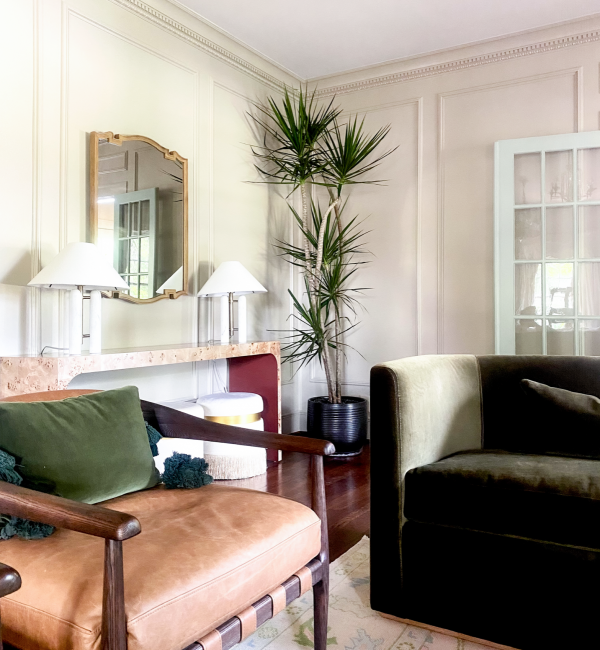
Original millwork, hardwood floors, plaster walls, built-ins, arched openings, fireplaces, doors, and trim are often what give an older Fort Worth home its personality.
Before removing something, consider whether it can be restored, repaired, refinished, or incorporated into the new design.
A successful historic home renovation shouldn’t necessarily make the house look brand new. It should make the home function better while still feeling like it belongs there.
2. Expect Some Surprises
With a 70-, 90-, or 100-year-old home, there will almost always be unknowns behind the walls.
Older electrical systems, plumbing, HVAC, previous renovations, foundation movement, uneven floors, and unusual framing can all affect a renovation once construction begins.
Build some flexibility into both your budget and timeline rather than assuming everything will go exactly according to plan.
3. Think Carefully Before Changing the Floor Plan
Older homes often have more divided floor plans than today’s new construction—but that doesn’t automatically mean every wall needs to come down.
Sometimes widening an opening, improving circulation, relocating a doorway, or creating a better connection between two rooms can dramatically improve the home without eliminating its original architecture.
We often explore multiple floor-plan options before recommending major structural changes.
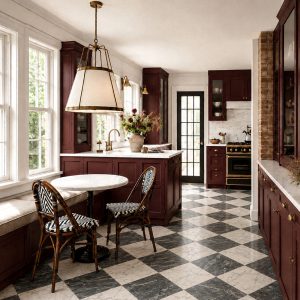
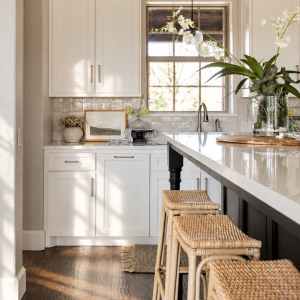
4. Update Kitchens and Bathrooms Without Making Them Feel Out of Place
Kitchens and bathrooms usually need the biggest functional updates, but they’re also where an older home can quickly start feeling disconnected from the rest of the house.
Modern functionality can still work beautifully with traditional architecture.
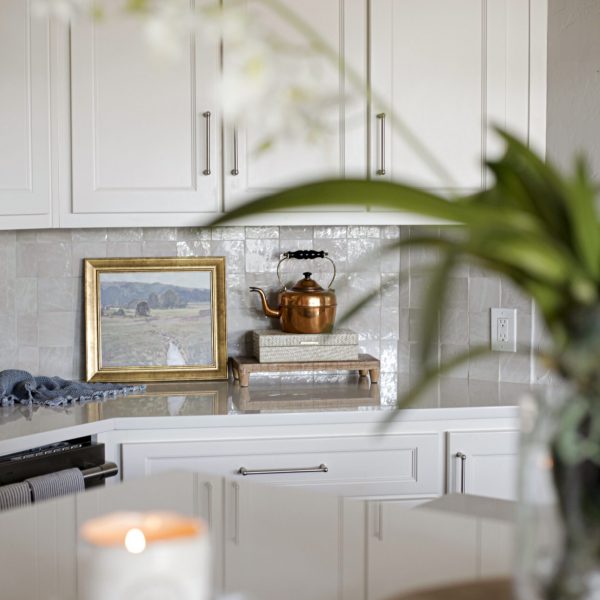
Consider cabinetry proportions, millwork details, plumbing fixtures, hardware, lighting, stone, tile, and other materials that feel appropriate for the home—even when everything itself is new.
The goal doesn’t have to be creating a historically accurate kitchen. Instead, create one that feels like it could have always belonged in the house.
5. Pay Attention to Scale and Architectural Details
Details matter enormously in older homes.
New baseboards that are too small, modern doors next to substantial original trim, undersized lighting, or cabinetry that ignores existing architectural lines can make a renovation feel noticeably “off.”
Whenever new elements are introduced, we look closely at the scale, proportions, materials, and details already present in the home.
Those small decisions are often what make the finished renovation feel cohesive.
6. Know When You Need an Architect, Engineer, Designer, or Contractor
Historic and older-home renovations can involve several different professionals.
A designer can help develop the layout, finishes, cabinetry, lighting, materials, and overall vision. Structural changes may require an architect or structural engineer, while an experienced contractor can help determine constructability and costs.
For larger renovations, getting the right team involved before construction begins can prevent expensive changes later.
Renovating an Older Home in Fort Worth?
Fort Worth has some incredible historic and established neighborhoods, and every home comes with its own quirks.
Whether you’re updating a 1920s bungalow in Fairmount, a historic home in Ryan Place, a Tudor in Berkeley Place, or an older home in Mistletoe Heights, Colonial, or Arlington Heights, the goal should be the same: improve the way the house functions without losing what made you love it in the first place.
Amy Horany Interiors is a Fort Worth interior design studio specializing in renovations, furnishings, space planning, and design for older homes throughout Fort Worth and the surrounding DFW area.
If you’re considering a renovation and aren’t sure where to begin, contact Amy Horany Interiors to discuss your home and project.