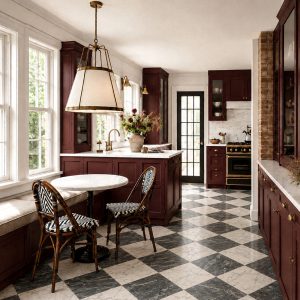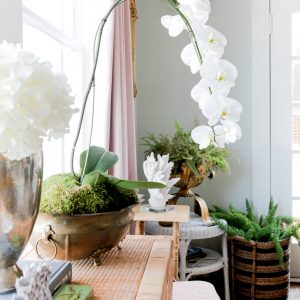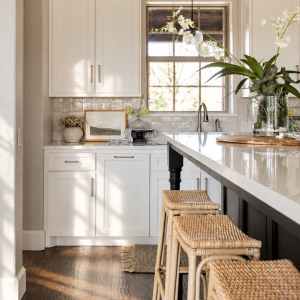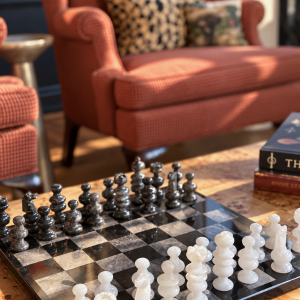

When people think about interior design, they often imagine furniture selections, paint colors, and pretty finishing touches. But long before any of that happens, there’s a critical phase that quietly shapes the success of the entire project: Creative Development.
This is where good design becomes great—and where thoughtful planning prevents costly mistakes later. Creative development isn’t about picking pillows. It’s about building a smart, cohesive foundation for how a space will look, feel, and function.
Here’s why this stage matters so much.
It Ensures the Space Actually Works
Before aesthetics come into play, the layout has to make sense.
Creative development allows time for proper space planning—evaluating circulation paths, furniture placement, and how people truly live in the room. Without this step, rooms can feel cramped, awkward, or disconnected—even if every individual piece is beautiful. We look at:
- How you move through the space
- Clearances around furniture
- Door swings and walkways
- Sight lines and focal points
It Gets Furniture Scale and Proportion Right
One of the most common design mistakes made by homeowners? Furniture that’s too large, too small, or simply out of proportion.
During creative development, every major piece is evaluated for:
- Width, depth, and height
- Relationship to ceiling height and wall lengths
- Balance between upholstery, case goods, and open space
It Creates Balanced Color and Pattern Ratios
Color and pattern isn’t just about choosing shades and styles you like—it’s about how those colors and patterns interact with eachother.
Creative development focuses on color and pattern ratio:
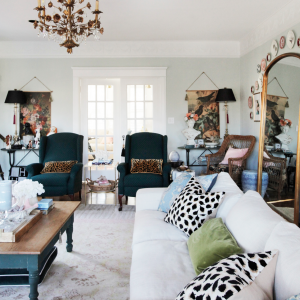
- What percentage of the room is light vs. dark
- Where contrast should live
- How finishes layer together
- How adjacent spaces relate
It Establishes Lighting & Mood
Lighting completely changes how a space feels. Rather than treating lighting as an afterthought, creative development integrates it into the design from the beginning—so the space feels as good at night as it does during the day.
At this stage, we evaluate:
- Natural light patterns throughout the day
- Ambient, task, and accent lighting needs
- Fixture placement and scale
- Overall mood (bright and airy vs. warm and intimate)
It Thoughtfully Integrates Architectural Details
Trim work, paneling, built-ins, ceiling treatments, and other architectural elements require careful planning. These details are especially important in older homes, where honoring character while improving functionality takes intention and finesse.
Creative development allows us to explore:
- Molding profiles and proportions
- Feature walls and focal moments
- Symmetry and alignment
- How new details connect with existing architecture
It Solves Problems Before They Become Expensive
Every home has quirks—awkward layouts, odd corners, previous renovations, or challenging dimensions. Addressing these challenges on paper (and in renderings) is far more efficient than discovering them mid-install.
Creative development gives space to problem-solve early:
- How to visually widen a narrow room
- Where storage can be added discreetly
- How to balance multiple functions in one space
- How to work around structural limitations
It Creates a Clear Vision Before Anything Is Purchased
Perhaps most importantly, creative development aligns everyone on the same vision. This clarity minimizes indecision, reduces revisions, and leads to smoother implementation.
By the end of this phase, we have:
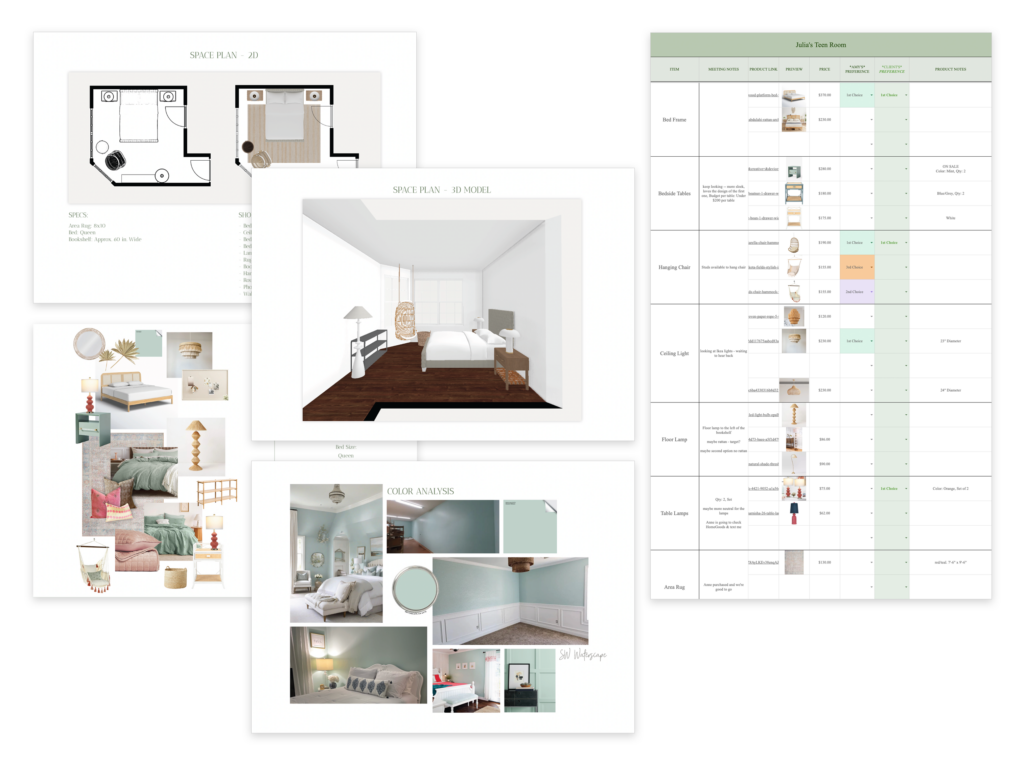
- A cohesive design direction
- Defined layouts and furniture plans
- A clear mood and material palette
- A roadmap for execution
The Bottom Line
Creative development is where design becomes intentional.
It’s where layout meets lifestyle, beauty meets function, and ideas become a cohesive plan. Skipping or rushing this stage often leads to rooms that feel “almost right”—but never truly resolved.
Investing time here means fewer surprises, better flow, stronger aesthetics, and spaces that feel thoughtfully designed from every angle.
It’s not just preparation. It’s the heart of the design process.