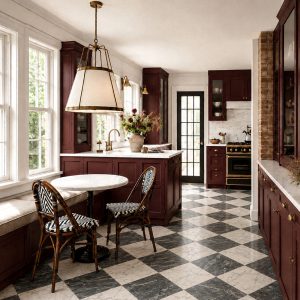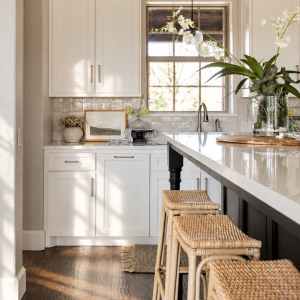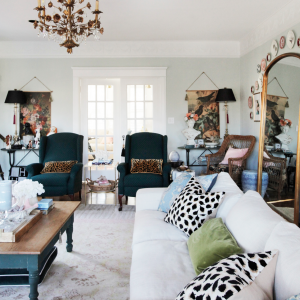

Interior design is often framed as a luxury or aesthetic preference. But the impact of design goes much deeper than appearances. Increasingly, research in psychology and neuroscience shows that the environments we live in directly affect our mood, mental clarity, productivity, stress levels, and overall well-being.
When thoughtfully designed, a home can support mental calm, improve focus, and increase daily efficiency. When poorly organized or visually chaotic, it can contribute to stress, cognitive overload, and fatigue.
Your Brain Is Constantly Processing Your Environment
The human brain is built to interpret environments, meaning our brains are constantly scanning spaces for cues about safety, comfort, and efficiency.
Even when we are not consciously aware of it, the brain processes:
- Spatial organization
- Lighting levels
- Color and contrast
- Visual clutter
- Texture and material
- Symmetry and balance
A study published in the Journal of Environmental Psychology found that orderly and aesthetically pleasing environments can reduce cortisol levels (the hormone associated with stress) while chaotic environments increase cognitive strain and anxiety.
This means the layout of your living room, the lighting in your kitchen, or the visual harmony of your bedroom quietly influences your mental state every single day.
Cohesive Spaces Create Mental Calm
Research from the University of Texas’ Center for BrainHealth suggests that environments with organized visual structure reduce cognitive load.
When spaces feel balanced and harmonious, the brain experiences less sensory conflict. In simple terms, the brain does not have to work as hard.
You may have experienced this intuitively when walking into a thoughtfully designed hotel, spa, or well-curated home. There is often an immediate sense of ease. That feeling is not accidental — it is the result of design elements working together in harmony.
Your Home Is Your Emotional Reset
Perhaps the most important psychological role of a home is restoration. Psychologists describe homes as “restorative environments” — places where the brain can recover from the stimulation and demands of daily life.
According to Attention Restoration Theory, environments that feel harmonious, organized, and aesthetically pleasing allow the brain to recover from mental fatigue.
When a home supports relaxation through thoughtful design, it becomes a place where stress levels decrease and emotional balance returns. This is why entering a well-designed home often produces an immediate sense of relief.
Design Is an Investment in Well-Being
Interior design is sometimes viewed as decorative, but the science suggests otherwise.
A thoughtfully designed home supports:
- Lower stress levels
- Improved focus and productivity
- Better sleep patterns
- Greater emotional comfort
- More efficient daily routines
In many ways, design shapes the rhythm of everyday life. When spaces are cohesive, intentional, and aligned with how people live, they become powerful tools for mental well-being.
At Amy Horany Interiors, design goes beyond aesthetics. Each project focuses on creating cohesive spaces that support how clients live day to day—balancing function, flow, light, and material to foster comfort, clarity, and ease. The goal is a home that not only looks beautiful, but also enhances everyday well-being.
Reach out today via our Contact page to schedule your complimentary Discovery Call.